
3/3/2026
The Phase 2 report of the Grenfell Tower Inquiry highlighted profound systemic failings in the UK’s building safety system — including inconsistent professional standards and a lack of coherent pathways for fire engineers. In response, the government is moving to introduce statutory regulation that will define the role, title and responsibilities of fire engineers to strengthen public safety and professional accountability.
Today’s fire engineer must combine deep technical knowledge with practical application across the building lifecycle — from design and performance-based fire safety strategy, through construction and occupation, to periodic review and ongoing compliance. Until now, use of the title “fire engineer” has not been legally protected, leading to wide variation in skills, experience and ethical oversight across the profession.
On the other hand, fire safety which is a wide scope of competencies and is refereeing to a set of thousands of standards, cannot be managed by ONE fire engineer but only monitored by a fire engineering team including a long list of fire connected skills with dedicate standards and guidance. We can mention non exhaustively : basic scientific competences (electrical, toxicity, chemistry, fluid mechanical, solid mechanical,..) and fire skills competences based on those scientific skills( fire behaviour of materials and structure, toxicity, firefighting system, detection, combustion, ventilation and smoke control ….)
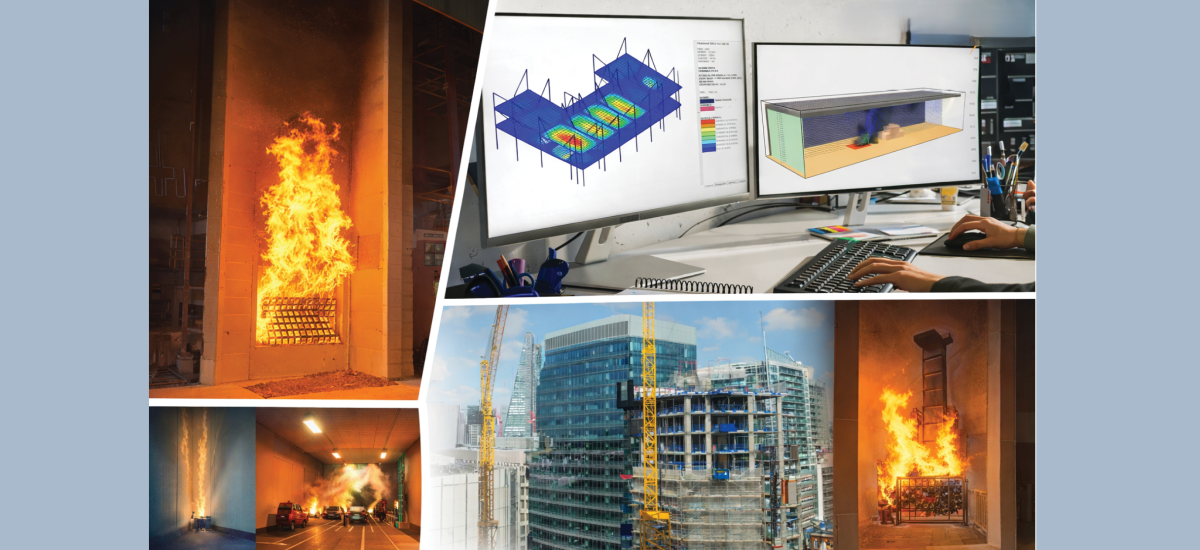
In this evolving landscape, organisations such as Efectis play an important role. As an independent fire safety assessment and engineering expert with decades of experience, Efectis delivers fire and explosion engineering solutions grounded in scientific analysis, advanced modelling and laboratory testing. From smoke control and evacuation modelling to fire strategy development and material performance assessment under fire conditions, Efectis contributes to robust, evidence-based solutions that align with regulatory expectations and emerging best practice.
Government reform proposals position the fire safety strategy — a comprehensive, performance-based framework for life safety, property protection and regulatory compliance — as the core statutory function of a regulated fire engineer. Future policy will clarify which buildings require regulated fire engineers, how periodic strategy reviews are to be undertaken, and how professionals interact with other stakeholders, such as fire risk assessors.
Statutory regulation will formalise competence expectations, setting out the knowledge, skills, and ethical standards to ensure professionals are consistently equipped to protect lives and property. Efectis will continue to support industry transition by providing expert advisory, modelling, testing and independent review services — helping clients meet both today’s regulatory requirements and the higher standards being established for the future of fire engineering.
For more information, please contact: Soukayna Azdad