
13/8/2026
The Steiner Tunnel Test is an internationally recognized fire testing method used to evaluate the reaction-to-fire performance of building materials and cables. ASTM E84 (also known as UL 723 and NFPA 255) is used for building materials, while NFPA 262, which follows the same testing principle, is used for cables. Both standards were developed to evaluate flame spread along the surface of a material and the amount of smoke generated during a fire.
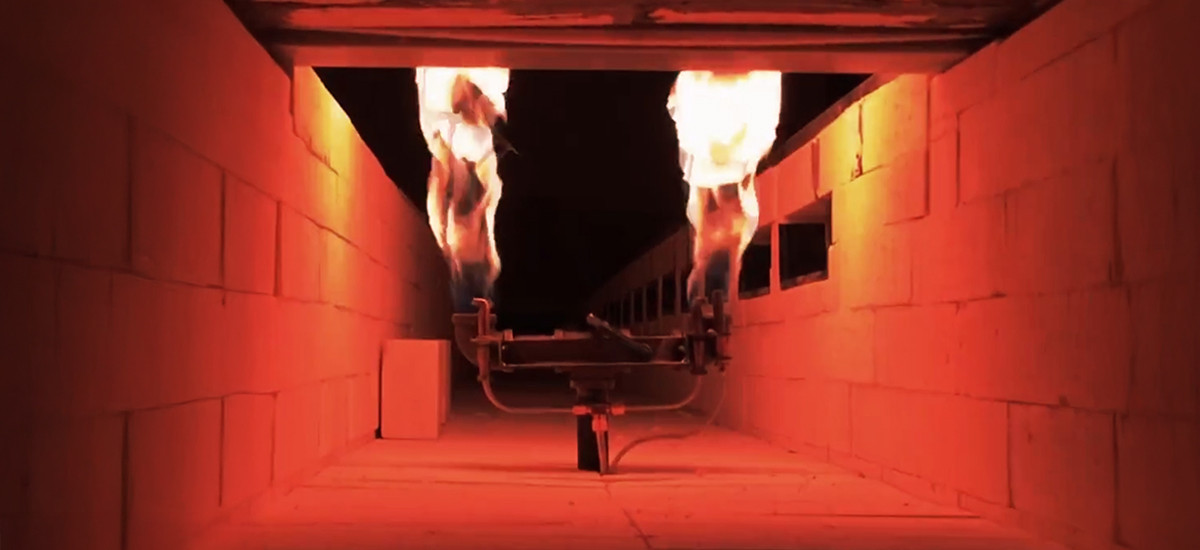
ASTM E84 and NFPA 262 tests are conducted in a specially designed Steiner Tunnel apparatus. During the test, the specimen is mounted horizontally and exposed to a controlled fire exposure. Throughout the test, the rate of flame spread across the specimen surface and the amount of smoke produced are measured to evaluate the material’s reaction-to-fire performance.
Test results are reported based on two primary performance criteria:
- Flame Spread Index (FSI): Indicates the tendency of a material to propagate flames across its surface.
- Smoke Developed Index (SDI): Indicates the amount of smoke generated during fire exposure.
Under ASTM E84, the Flame Spread Index is determined using reference materials. An inorganic cement board is assigned a reference value of 0, while Red Oak is assigned a value of 100. Some materials may achieve Flame Spread Index values exceeding 100.
Applications of ASTM E84 and NFPA 262
ASTM E84 is widely used to evaluate the reaction-to-fire performance of wall coverings, ceiling finishes, insulation products, and other building materials. Many building codes and project specifications throughout North America require construction products to be assessed in accordance with ASTM E84.
Although NFPA 262 is based on the same Steiner Tunnel testing principle, it was specifically developed to evaluate the fire performance of communication and power cables. It is one of the most widely recognized test methods for qualifying cables intended for installation in plenum spaces.
Importance of the Steiner Tunnel Test
Steiner Tunnel Test results are an important consideration for architects, engineers, manufacturers, and fire safety professionals when selecting products and designing buildings. Products with low Flame Spread Index (FSI) and Smoke Developed Index (SDI) values help limit flame spread while improving visibility during evacuation by reducing smoke generation.
As a result, ASTM E84 and NFPA 262 play an important role in evaluating the fire safety performance of products intended for use in commercial buildings, hospitals, educational facilities, data centres, industrial facilities, and other publicly accessible buildings.
ASTM E84 and NFPA 262 Testing Services at Efectis
Efectis provides Steiner Tunnel Test services in accordance with ASTM E84 and NFPA 262 to evaluate the reaction-to-fire performance of building materials and cables in compliance with internationally recognized standards. With an experienced technical team and advanced laboratory facilities, we deliver reliable testing services that assist manufacturers with product development, certification, and access to international markets.
For more information about ASTM E84, NFPA 262, or other international fire testing standards, or to determine the most suitable testing standard for your product, please contact us.